
 admin
admin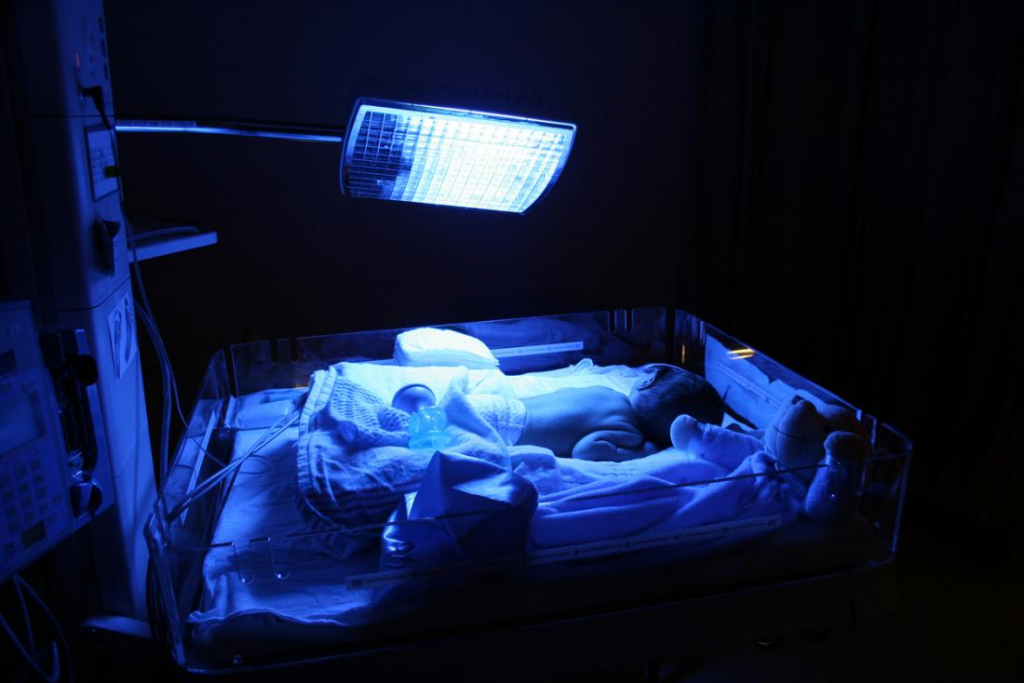
Neonatal jaundice is a common condition that affects 60-80% of newborns. It occurs when bilirubin, a yellow pigment produced when red blood cells break down, builds up in a baby’s skin. While most cases are mild and resolve on their own, many misconceptions about neonatal jaundice cause unnecessary worry or misinformation. Let’s clear up some of the most common myths and explore the facts.
Myth 1: Every newborn develops neonatal jaundice
Neonatal jaundice is indeed prevalent, affecting around 60% of full-term babies and about 80% of preterm infants. However, not every newborn develops jaundice. The severity and occurrence vary based on prematurity, feeding habits, and overall health. Some babies have completely normal bilirubin levels and never show signs of jaundice.
Myth 2: Jaundice in newborns is always a severe condition
Hearing the word “jaundice” can be alarming for parents, but in most cases, neonatal jaundice is a temporary and harmless condition. Physiological jaundice, the most common type, often resolves within 2-3 weeks without medical intervention. However, severe jaundice that leads to very high bilirubin levels can be dangerous and requires medical attention.
Myth 3: Neonatal jaundice is completely harmless
Most cases of jaundice are harmless and clear up naturally, but extremely high bilirubin levels can lead to a rare condition called kernicterus. This condition can cause brain damage if left untreated. That’s why newborns are routinely monitored, and treatment options like phototherapy are used when necessary to prevent complications.
Myth 4: Sunlight is the sole treatment for neonatal jaundice
While mild sun exposure may help in some cases, it is not a substitute for proper medical treatment of neonatal jaundice. Hospitals use specialised blue-light phototherapy, which is scientifically proven to break down bilirubin. In severe cases, exchange transfusions may be needed. Parents should always follow medical advice rather than relying solely on sunlight.
Myth 5: Jaundice in newborns is caused by poor eating habits during pregnancy
Jaundice in newborns is primarily due to the baby’s immature liver, which takes time to process bilirubin efficiently. It is not caused by a mother’s diet. However, maintaining a healthy pregnancy and proper prenatal care is essential for overall newborn health.
Myth 6: If a baby has jaundice as a newborn, they are more likely to get it later in life
Neonatal jaundice is a temporary condition due to an immature liver, and once it resolves, it does not increase the risk of developing jaundice in the future. If an older child or adult develops jaundice, it is usually due to liver disease, infections, or other medical conditions unrelated to neonatal jaundice.
Myth 7: Jaundice only affects babies with light skin
Jaundice can sometimes be harder to detect in babies with darker skin, but it still occurs in all ethnicities. Doctors check the whites of the eyes, gums, and soles of the feet to assess jaundice levels in darker-skinned babies.
Myth 8: Neonatal jaundice is contagious
Jaundice is caused by the breakdown of red blood cells and an immature liver, not by bacteria or viruses. It is not contagious and cannot spread from one baby to another.
Final Thoughts
Neonatal jaundice is a common and manageable condition that should not be a source of panic. While mild cases usually resolve in a few weeks, severe jaundice requires medical attention. By separating facts from myths, parents can make wise decisions and ensure the best care for their newborns. If you have any concerns, consult the best paediatrician in Chennai, Bangalore, Gurugram, or your city rather than relying on misinformation. A medical expert will provide the right guidance and support for your baby’s health.